Click image for HiRes
Abstract
Non-ferrous metal elements display rich properties. Solar cells based on low-valent non-ferrous metal elements, such as Cu2ZnSn(S,Se)4 (CZTSSe) and Sb2(S,Se)3, have become an indispensable part of the chalcogenide photovoltaic family. In the past years, the efficiencies of this kind of solar cells have achieved progress. However, there is still a considerable gap compared with its theoretical limits. This is mainly attributed to the special crystalline quality of thin film, the influence of defects such as grain boundaries on carrier transport, as well as interfacial matching issues of the cells. Therefore, the fabrication of CZTSSe and Sb2(S,Se)3 solar cells remains a great challenge. Specially, the difference in their crystal structure also leads to the difference in the carriers transport. This report presents recent research progress in the preparation of CZTSSe and Sb₂(S,Se)₃ semiconductor thin film and the improvement of carrier transport efficiency of solar cells.
Click here to see all available video seminars.
Click here to go to the SPREE HOMEPAGE.
Brief Bio
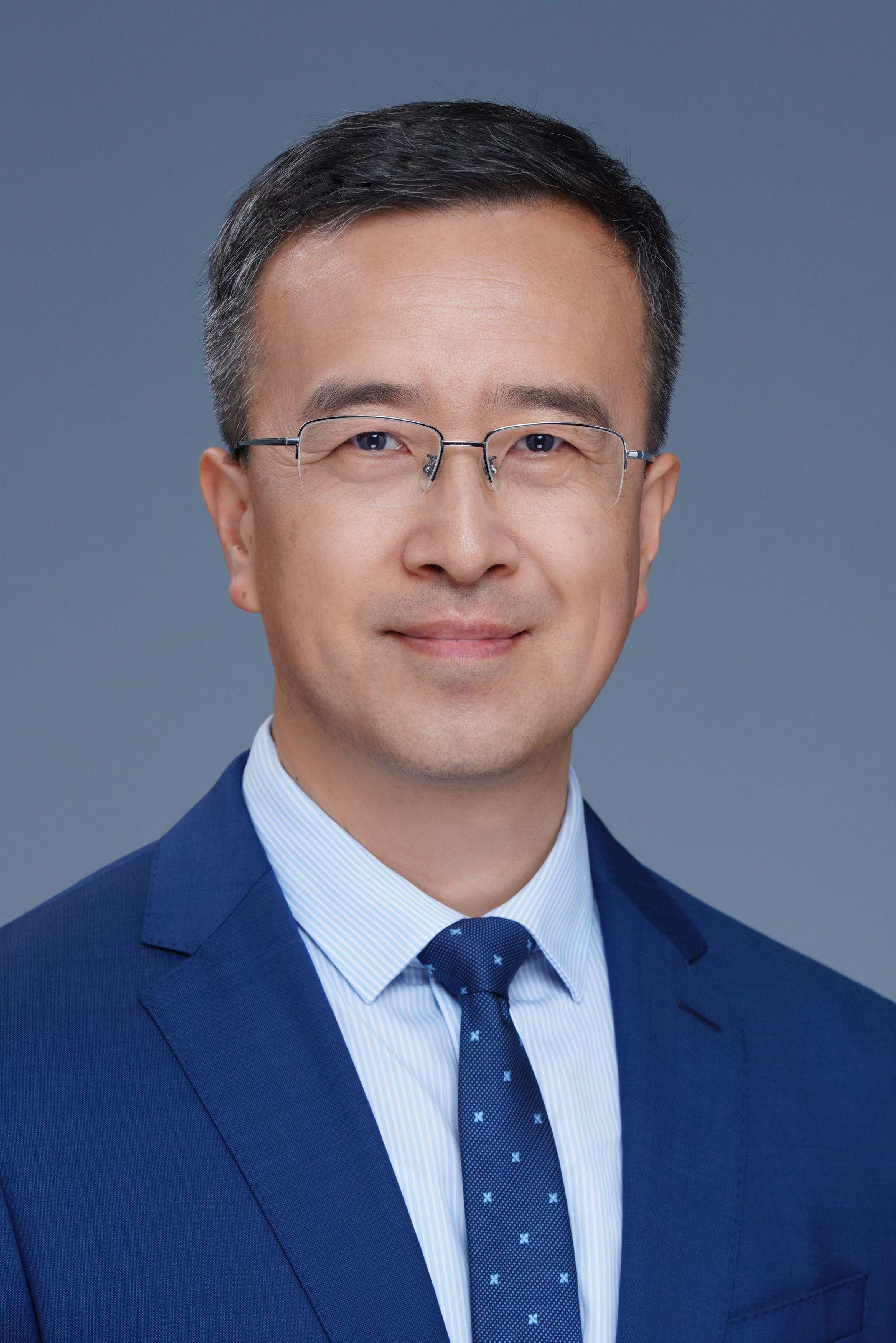
Prof. Yi Zhang, Director of Institute of Photoelectronic Thin Film Devices and Technology, Nankai University. Prof. Zhang got his PhD from the Institute of Physics, Chinese Academy of Sciences in 2006. He worked as postdoc at the Max Planck Institute for Metals Research in Germany from July 2006 to June 2008, before joining Nankai University as a faculty member in July 2008. His research focuses primarily on metal selenide thin-film solar cells. He has published over 100 peer-reviewed papers, including in Nature Energy. He currently serves on the Photovoltaic Committee, Chinese Renewable Energy Society.
