Click image for HiRes
Abstract
The transition to low-carbon energy systems requires more than efficient power conversion. Renewable generation, energy storage, electric mobility and distributed loads must be connected through flexible energy pathways and coordinated through intelligent control. This seminar presents the evolution of an integrated research programme spanning advanced power conversion, battery systems, wide-bandgap semiconductor applications, wireless power transfer and AI-enabled energy management.
Beginning with research on bidirectional converters, nonlinear converter dynamics and high-power systems for renewable energy and electric vehicles, the seminar illustrates how these capabilities have progressed towards high-frequency wireless energy transfer and intelligent, deployable energy systems. Current research includes resonant and metamaterial-enhanced wireless power transfer, reusable MHz-frequency hardware platforms, data-driven forecasting, optimisation and real-time control for residential and industrial energy applications.
A central focus will be the active collaboration between UNSW Sydney and Northumbria University. The project combines expertise in photovoltaic materials, maximum power point tracking, power electronics, wireless power transfer and battery storage to develop an integrated experimental platform that can generate, extract, wirelessly transfer and store electrical energy. Selected doctoral and industry-linked projects will also demonstrate how device- and circuit-level research can be translated into validated systems for smart homes, e-mobility, industrial infrastructure and other low-carbon applications.
Click here to see all available video seminars.
Click here to go to the SPREE HOMEPAGE.
Brief Bio
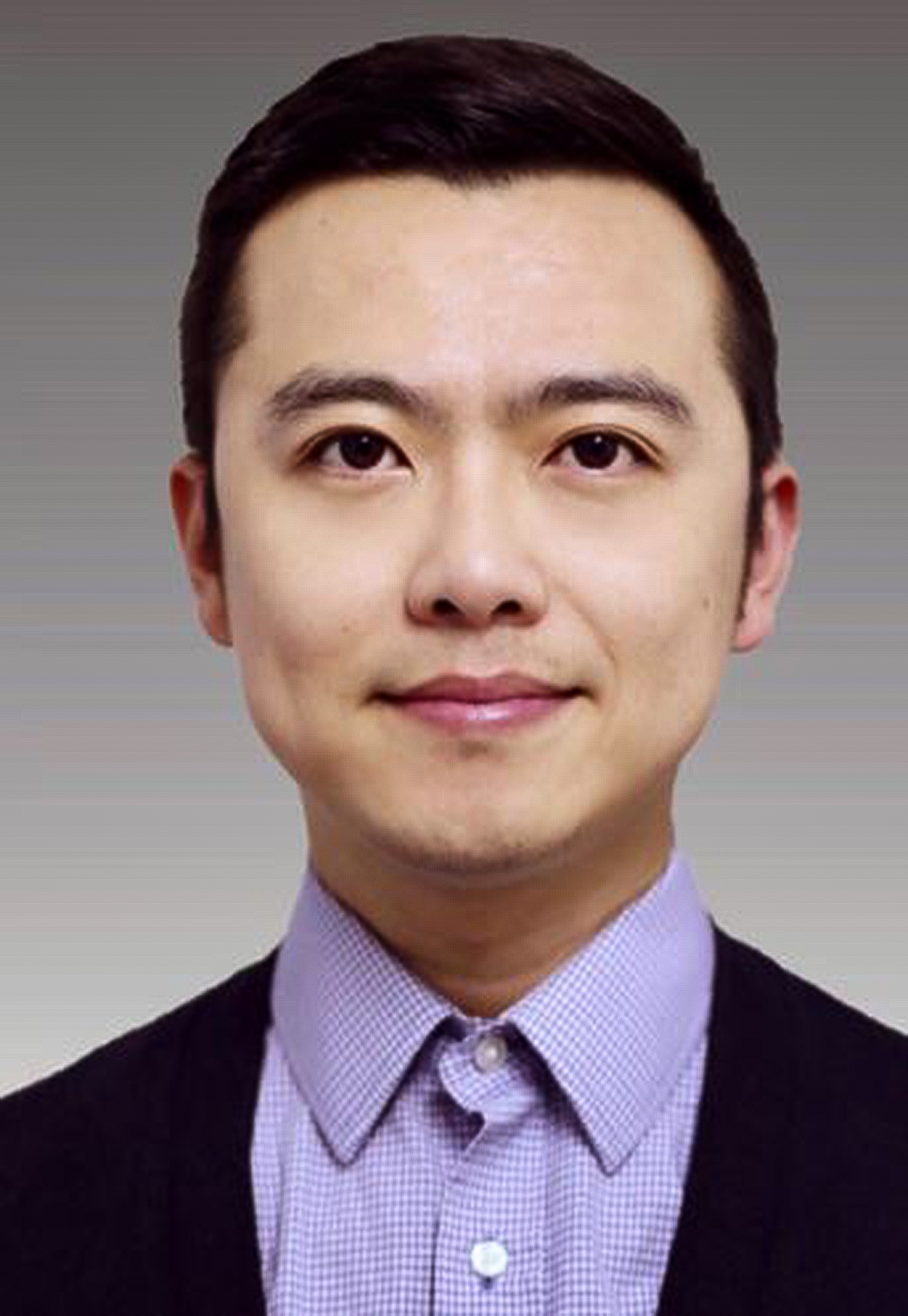
Dr Haimeng Wu is an Associate Professor in Electrical Engineering at Northumbria University, UK, where he leads the Electrical Power and Control Systems Research Group and serves as Programme Leader for the MSc Electrical Power Engineering programme. He received his PhD in Power Electronics from Newcastle University and has more than 17 years of research experience in power electronics and low-carbon energy technologies.
His research focuses on high-efficiency and bidirectional power conversion, wireless power transfer, wide-bandgap semiconductor applications, battery management and intelligent control. These technologies are applied to renewable energy integration, electric vehicles, smart homes, industrial energy systems and resilient infrastructure. His current research increasingly connects device- and circuit-level innovation with data-driven forecasting, optimisation and real-time energy management.
Dr Wu has served as Principal Investigator on more than £300,000 of Innovate UK and industry-funded research and is a Co-Investigator and management committee member of the £5.48 million EPSRC Centre for Doctoral Training in Renewable Energy Northeast Universities. He has also contributed as a principal researcher to EPSRC and Innovate UK projects with a combined value exceeding £1 million. His current projects include an intelligent photovoltaic-powered lighting system incorporating advanced battery management and a collaborative UNSW–Northumbria platform for photovoltaic-powered wireless energy transfer.
He has authored or co-authored more than 70 peer-reviewed publications and is a named inventor on three patents. His honours include winning the Siemens European TAPAS Competition in Power Electronics and receiving the 2023 IET Outstanding Editor Award. He is an IEEE Senior Member, a member of the EPSRC Peer Review College, an Associate Editor of IET Power Electronics and an Editorial Board Member of Nature npj Power Electronics.
